

Canadian Parents Are Spending More on Back-to-School, and Feeling Worse About It
New 2026 data shows Canadian back-to-school spending has hit $4.5 billion nationally. Here is the behavioral finance pattern behind why deal-hunting parents still end up overspending, and how to fix it before the receipts pile up.
Walk into any Walmart or Staples in the Greater Toronto Area this week and you'll see the same scene: parents with lists on their phones, calculators running quietly in their heads, doing the mental math on binders and backpacks. It's not your imagination that this year feels tighter. New 2026 back-to-school data confirms it, and the numbers reveal something more interesting than "prices went up." They reveal a predictable pattern in how our brains handle unavoidable, deadline-driven spending.
According to Canadian retail research released this month, the K-12 back-to-school market has hit roughly $4.5 billion nationally, with families spending an average of $600 to $750 per child once electronics are included. Ninety-one percent of parents say school shopping has gotten more expensive recently, and 53% call it "a lot more expensive," up from 47% just last year. Meanwhile, 40% of households say they're planning to spend even more than they did in 2025, while only 21% expect to spend less.
Here's the part that should catch your attention if you run a household budget: 67% of parents say inflation is hitting their back-to-school budget harder this year than last, and that figure hasn't moved at all since 2025. Costs didn't ease. People just adapted, quietly, without necessarily noticing how much ground they gave up.
Why "It's Just Back-to-School" Is a Dangerous Sentence
Every August, a specific kind of spending gets a pass. It's not framed as discretionary, it's framed as obligatory. Kids need supplies. Kids need clothes that fit. Kids need shoes that aren't held together with tape. And because the spending feels non-negotiable, it also feels exempt from scrutiny.
This is a textbook case of what behavioral economists call mental accounting colliding with social norm spending. When a purchase gets labeled "necessary" or "for the kids," we stop applying the same cost-benefit reasoning we'd use for, say, a new phone case. One Canadian retail analyst summed up the mood bluntly this month: "Consumers are just having to spend more to get what they need. There is no real slack." That's the tell: when a household has no slack left, every purchase starts to feel forced, even the ones with real flexibility built in.
The psychological trap isn't the school supply list itself: it's the belief that because a category of spending is emotionally loaded (our kids, their first day, their confidence at school), it must also be financially non-negotiable. Emotional importance and financial flexibility are two separate questions, and back-to-school season is where Canadian parents most often collapse them into one.
The Deal-Seeking Paradox
Here's where it gets counterintuitive. The same 2026 data shows Canadian parents are more deal-savvy than ever: 85% say they actively seek discounts before choosing a retailer, and the same share say promotions influence which store they walk into. Seventy-eight percent research products online before buying, and nearly a quarter now use AI shopping tools to compare prices.
You'd expect all that deal-hunting to translate into lower total spending. It hasn't. Total spend is still rising. This is a well-documented behavioral pattern: the "sale" framing changes what we buy, not whether we overspend overall. A 30%-off sign doesn't shrink your basket; it often grows it, because "I'm saving money" becomes the justification for adding one more item you weren't planning to buy in the first place. Retailers know this. It's why back-to-school promotions cluster around bundles and multi-buys rather than single-item discounts.
Where the Real Budget Damage Happens
The data points to three places where Canadian families are quietly losing control of the back-to-school budget, even while feeling like careful shoppers:
Trip creep. Sixty-two percent of parents plan two to three separate shopping trips, and 16% plan four or five. Each additional trip is another chance for scope to expand: the "just one more thing" effect compounds with every visit.
Category blindness. Lunch and snack spending rarely gets counted as "back-to-school" even though 92% of parents are now packing lunches daily through the school year, a recurring cost that dwarfs the one-time supply list within a few months but never shows up in the back-to-school budget line.
Apparel as identity spending. Eighty-three percent of parents say they're very likely to buy new clothing and footwear for the school year, spending that's driven as much by a child's social standing among classmates as by actual wardrobe need. Only 19% say they'll consider thrift options, even though thrifting has grown steadily as a category among younger Canadian shoppers overall.
A Toronto-Specific Squeeze
For families in the GTA, this back-to-school pressure is landing on top of an already-stretched budget. With the Bank of Canada's policy rate sitting at 2.25% as of this summer and grocery and housing costs still elevated relative to income, there's genuinely less slack in most household budgets than there was even two years ago. A $650 average back-to-school spend isn't an isolated event for a Toronto family already managing high rent or a variable-rate mortgage; it's one more fixed-feeling cost landing in a month that also has to cover everything else.
This is exactly the environment where buy-now-pay-later products get tempting. BNPL usage has been climbing steadily among Canadian shoppers, particularly for larger back-to-school purchases like laptops and winter-ready outerwear bought early. The appeal is obvious: split $300 in supplies into four payments and it barely registers. But that's precisely the mechanism that makes BNPL risky for a use case like this: it detaches the spending decision from the pain of paying, which is the same psychological lever that made credit cards so easy to overuse in the first place. When four "invisible" back-to-school BNPL plans stack on top of four "invisible" pre-holiday BNPL plans two months later, the invisibility doesn't stay invisible on your bank statement.
What Actually Works: Making the Invisible Visible
The good news is that back-to-school spending is one of the most predictable expenses a family will ever face. It happens the same week every year, for a knowable set of categories. That predictability is exactly what makes it fixable: the problem isn't the cost, it's that most households never turn "back to school" into an actual line item they can see, track, and cap in advance.
A few things that behavioral finance research and Canadian financial counsellors consistently point to:
Set the number before you shop, not after. Decide on a per-child cap based on last year's actual spending (not what you wish you'd spent), and write it down somewhere you'll see it mid-shop, not just at the start.
Separate "need" from "social" purchases at checkout. Before adding an item, ask whether it's replacing something broken or worn out, or whether it's about how your child will be perceived by classmates. Both are valid reasons to spend, but only one belongs in the "essential supplies" mental bucket.
Cap the number of trips. One planned trip with a full list beats three "quick" trips. Each extra visit is another exposure to impulse triggers and in-aisle upsells.
Treat BNPL like the debt it is. If a purchase requires splitting into four payments to feel affordable, that's useful information about whether it fits your actual budget this month, not a reason to buy it anyway.
Fold lunches and snacks into a real monthly line, not a one-time tally. The September-to-June cost of daily snacks and lunches usually exceeds the initial supply list within the first school term.
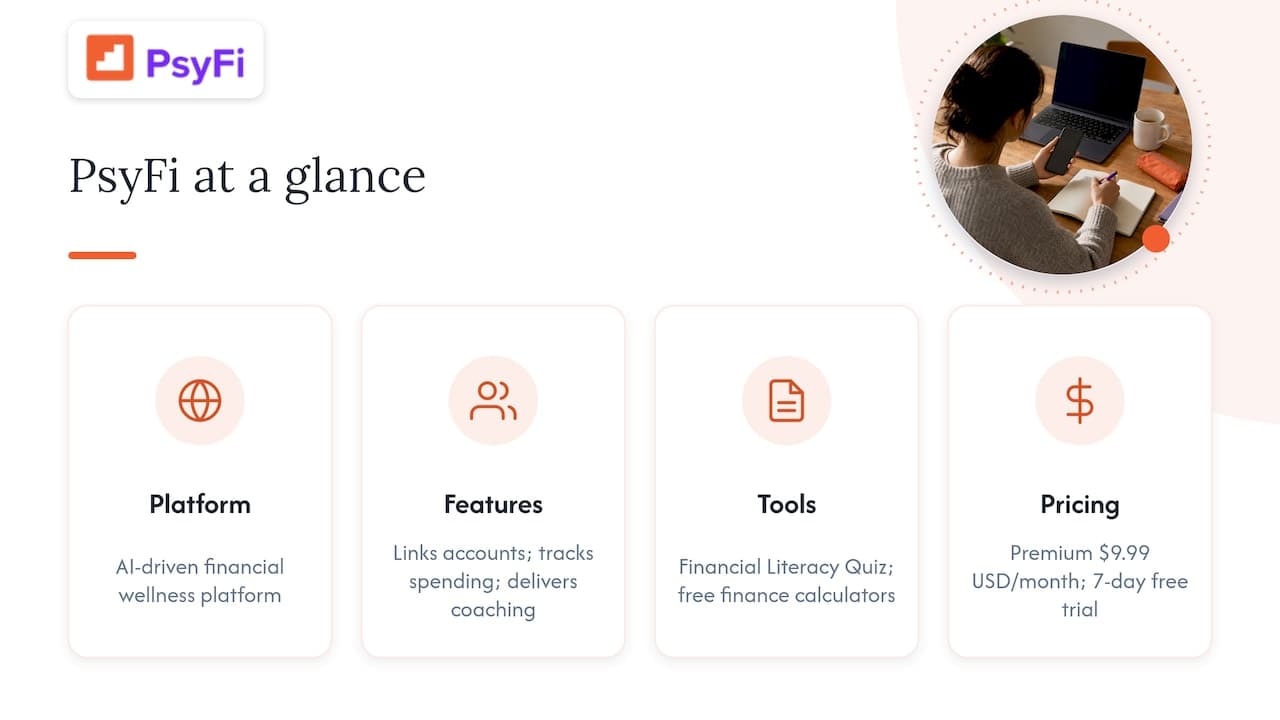
This is also where seeing your actual spending patterns, rather than guessing at them, makes the biggest difference. PsyFi's AI looks at your real transaction history to flag exactly this kind of seasonal creep as it's happening, rather than leaving you to reconstruct it from memory (badly) in October. For a cost like back-to-school shopping that hits every single year, that pattern recognition compounds: you go from re-litigating the same overspend annually to actually budgeting for it ahead of time.
The Bigger Pattern Behind the Receipt
Back-to-school spending is really a stand-in for a much bigger truth about Canadian household finances in 2026: the categories we treat as "obligatory" are exactly where budgets quietly break down, because obligatory spending gets a pass that discretionary spending never does. The fix isn't guilt, and it isn't refusing to buy your kid new shoes. It's building a system, even a simple one, that makes the size of "obligatory" spending visible before it's already left your account.
Frequently Asked Questions
How much should a Canadian family budget for back-to-school shopping in 2026?
Current data puts the national average between $600 and $750 per child when electronics are included, though this varies significantly by grade level and region. A more useful number than the national average is your own household's spending from last year, use that as your starting cap and adjust for known changes (a new grade, a growth spurt, a laptop that's finally due for replacement).
Is buy-now-pay-later a good option for back-to-school purchases?
BNPL can make sense for a single planned purchase you could otherwise afford in full, spread out for cash flow reasons. It becomes risky when it's used to make an unaffordable purchase feel affordable, or when multiple BNPL plans stack on top of each other across a busy spending season. If you wouldn't buy the item paying in full today, splitting the payments doesn't change whether you can actually afford it.
Why does back-to-school spending feel harder to control than other expenses?
Because it's emotionally coded as "for the kids" rather than discretionary, most people apply less scrutiny to it than they would to a similarly sized purchase in another category. It also arrives as a cluster of purchases in a short window, which makes it easy to lose track of the running total across multiple trips and stores.
Does hunting for deals actually save money on back-to-school shopping?
Not necessarily on the total. Deal-seeking changes what and how much you buy more than it reduces overall spend, promotions and multi-buy discounts tend to expand baskets rather than shrink bills. Deals are most effective when paired with a fixed budget set in advance, so savings on individual items translate into actual money kept rather than more items purchased.
What's the one change that would help most Canadian families this back-to-school season?
Setting a per-child dollar cap before shopping begins, based on actual past spending rather than a guess. Households that decide the number in advance consistently spend closer to their intended budget than those who shop first and total up the damage afterward.
Keep reading
- 5 A/B Tests Marketers and Researchers Can Run to Measure Price FramingApplied behavioural briefing for marketers and researchers. Get concise evidence, five test-ready A/B templates, PsyFi case notes, and FTC compliance...
- How Much Should You Save Each Month? A Complete Guide for Toronto FamiliesFor Toronto families earning $120k, standard 20% savings rules don't match reality. Discover a realistic budget breakdown and why saving $350–$500 monthly is a sustainable win.
- Four Stages to Recover From Financial Trauma: Start With SafetyRecover from financial trauma with a safety first, four stage plan. Learn evidence based therapies, simple routines, and low pressure tools to rebuild.