
Cut credit utilization to under 10% using U.S. timing and habits
Learn how to lower your credit utilization below 10% by timing payments before your statement closing date, requesting soft-pull limit increases, and building sustainable payment habits.
Pay down your highest-utilization card before its statement closing date, not the due date. Split payments across paydays so no single balance sits high when issuers report. Request a limit increase only after confirming a soft pull, and keep old cards open even if you stop using them. Aim for utilization under 30%, target under 10%, and treat single digits as the sweet spot for the strongest scores.
TL;DR:
Paying down your highest-utilization card before the statement closing date reduces reported balances and boosts your score more effectively than paying only by the due date.
Keeping utilization below 10 percent provides the strongest score boost, but maintaining it under 30 percent still offers notable benefits, especially when done consistently.
Requesting a credit limit increase should only be attempted after confirming it results from a soft pull and without triggering additional spending that could negate the score improvement.
Consolidation and balance transfers can lower utilization but may involve fees and require discipline to prevent balances from increasing again.
Automating small, frequent payments aligned with your pay schedule helps keep utilization low long-term, avoiding the need to remember specific reporting dates.
Table of Contents
The fastest ways to lower credit utilization
Utilization is the one factor in your credit score you can move in a single billing cycle. Nothing about it requires new income or a debt settlement negotiation. It just requires understanding when your card issuer looks at your balance and acting before that moment, not after.
Here’s the order that produces results fastest, based on how scoring models actually weigh these actions:
Pay your highest-utilization card first, even if it’s not your highest-interest card. Utilization math punishes lopsided balances more than one evenly spread across accounts.
Make a payment before your statement closing date, not just before the due date. This is the single highest-leverage move in this whole list.
Split payments across the month so you’re never carrying a peak balance when an issuer reports. Payday-aligned payments work well because they fit your existing cash flow.
Ask about a credit limit increase, but only after confirming your issuer does a soft pull. A rejected hard inquiry request can cost you a few points for a gain that wasn’t guaranteed.
Consider a new card only if the math clearly wins. A hard inquiry and a new account both temporarily affect your score, so this shouldn’t be your first move.
Never close an old, no-fee card. Closing it removes available credit and can instantly spike your utilization ratio on paper, even if your spending hasn’t changed.
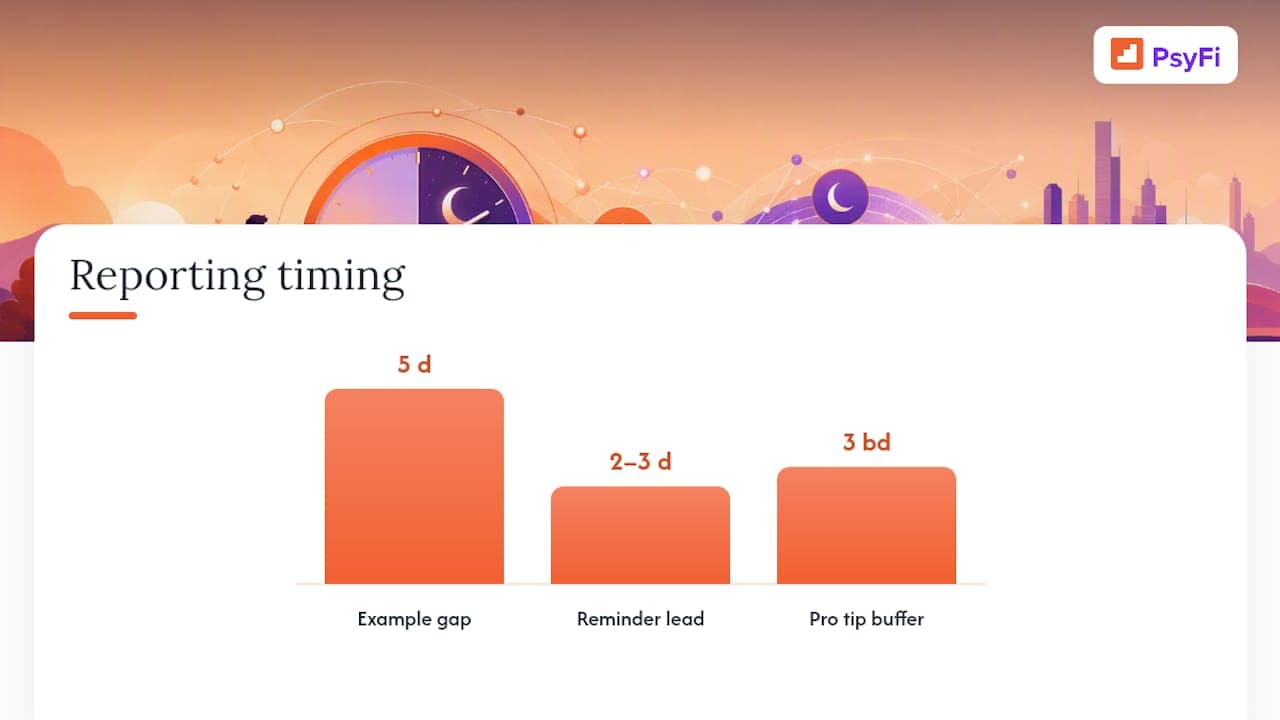
Pro Tip: Set a recurring calendar reminder for 3 days before each card’s statement closing date, not the due date. That’s the payment that actually shrinks the number your issuer sends to the bureaus.
Consolidation and balance transfers belong further down this list because they carry fees and require discipline to actually pay off. They’re covered in more detail below, but they’re not a first move for most people.
What is credit utilization and why the math matters
Credit utilization is the percentage of your available revolving credit you’re currently using. A card with a $10,000 limit and a $2,500 balance carries 25% utilization. Add up every card’s balance and limit together, and you get your overall utilization, which is the number scoring models weigh most heavily.
Both numbers matter, and they’re calculated differently:
Per-card utilization: one card’s balance divided by its own limit.
Overall utilization: total balances across every revolving account divided by total available credit.
A single maxed-out card can drag your score down even if your overall utilization looks fine, because scoring models flag concentrated risk on individual accounts, not just the aggregate.
By the numbers: Amounts owed, which is largely driven by utilization, makes up roughly 30% of a typical FICO score. People with the very highest FICO scores carry average utilization near 4.1%, often keeping balances under $2,500 across their revolving accounts.
That statistic is worth sitting with. It’s not that top scorers avoid credit cards. They use them and pay them down aggressively enough that almost nothing shows up when the issuer reports. Newer scoring models like FICO 10T also weigh utilization trends over time, which means a improving pattern can help even before your ratio hits single digits.
When does your balance actually get reported?
Most card issuers report your statement balance to the credit bureaus on your billing cycle’s closing date, not your payment due date. That gap between the two dates is where most people lose easy points without realizing it.
If your due date is the 25th but your statement closes on the 20th, paying in full on the 24th does nothing for that month’s reported utilization. The bureaus already received the higher number from the 20th. This is why paying before your statement closes can lower your reported balance even without changing your total spending.
Here’s how to build this into your routine:
Find your closing date on your last few statements or your online account dashboard. It’s usually listed separately from the due date.
Set a payment reminder 2 to 3 days before that closing date, giving your payment time to post.
Add a second payment mid-cycle if you use the card heavily, so no single reporting date catches a peak balance.
Automate a minimum payment for the due date and a manual extra payment before the closing date, so you’re covered even if you forget.
Score movement from this tactic typically shows up within one to two reporting cycles, since bureaus update once your issuer submits the new statement data.
Pro Tip: If you can only make one extra payment a month, time it to land three business days before your statement closes. That’s usually enough buffer for it to post before the cutoff.
Should you ask for a higher credit limit?
Raising your limit lowers your utilization ratio instantly, assuming your spending stays flat, because the denominator in the calculation grows. A $5,000 balance on a $10,000 limit is 50%. The same balance on a $15,000 limit drops to 33%. It’s simple math, but the mechanics of getting there matter.
Ask whether the increase request uses a soft or hard pull. Many issuers offer online tools that check eligibility with a soft pull before you formally apply.
Provide updated income information if your issuer requests it. A raise or new job can support a larger limit even without a full application.
Watch for the psychological trap. A higher limit can quietly invite more spending, which erases the utilization benefit entirely. Set a personal spending cap that ignores your new limit.
Never close an old card to “clean up” your wallet. Downgrading a fee-based card to a no-fee version preserves the limit and your account history, which closing it does not.
Does debt consolidation actually lower utilization?
Personal loans and home equity lines of credit convert revolving debt into installment debt, and installment balances aren’t factored into your utilization ratio the same way. Move $8,000 from a maxed credit card into a personal loan, and that $8,000 disappears from the utilization calculation entirely, even though you still owe it.
Personal loans and HELOCs remove the balance from revolving utilization but add a new fixed monthly payment and, often, an interest rate tied to your credit profile.
Balance transfer cards can work well if the intro APR window is long enough to pay off the balance, but transfer fees typically run 3% to 5% of the amount moved.
A new loan or card application triggers a hard inquiry, which causes a small, short-term score dip even as your utilization improves.
Run the numbers before committing. Compare the interest saved against transfer fees and loan origination costs, not just the utilization improvement on paper.
Pro Tip: Consolidation only works if you stop using the freed-up card the same way. Otherwise you end up with the same balance you consolidated, plus a new loan payment.
How do you keep utilization low long term?
Lowering utilization once is easy. Keeping it low requires habits that don’t depend on remembering a closing date every single month.
Automate small, frequent payments tied to your paycheque schedule instead of one large monthly payment, so balances never sit high when issuers report.
Set a concrete target, like 10% or lower, and check it monthly rather than reacting only when you notice a score drop.
Use a payoff planner to prioritize which balance to attack first, especially when you’re carrying debt across several cards with different limits and rates. PsyFi’s credit card payoff calculator does this math for you and shows how different payment amounts shift your timeline.
Track broader financial habits, not just utilization, since the behavioural side of debt often explains why balances creep back up after a payoff.
Revisit your plan every few months, especially after a limit increase or a new account, since both change the math behind your target percentage.
Why utilization goals need to fit a bigger financial picture
Chasing a lower utilization number in isolation can backfire. Opening three cards for limit space, or requesting increases you don’t need, adds risk without addressing why balances climbed in the first place. Utilization tactics work best alongside an emergency fund and a repayment plan you can actually sustain, not as a standalone score hack.
This month, commit to one habit: pay your highest balance before its statement closes, every cycle, without exception. That single behaviour change does more for your score than any limit increase ever will.
— Maanya
Let PsyFi help you track and lower utilization
Knowing the tactics is one thing. Sticking to them every billing cycle without a system is where most people fall off. Psyfiapp’s behavioural coaching engine watches your actual account activity and nudges you before a statement closes, not after, so the timing tactics in this guide happen automatically instead of relying on memory.
Start with the free tools if you want to test the waters before committing to anything. The credit card payoff calculator shows exactly how fast different payment amounts shrink your balance, and the debt payoff planner helps you sequence multiple cards if you’re juggling more than one. For a fuller picture of where you stand, the Free Financial Wellness Score benchmarks your progress on a scale used across the industry, at no cost. All of these are free to use. If the coaching and automated nudges are what you need to stay consistent, Psyfiapp’s 7-day free trial gives you full access before you decide whether to subscribe.
Sources
This article is general information, not a substitute for advice from a qualified financial advisor. Consult a qualified financial professional about your own circumstances before acting on anything here.
Recommended
Keep reading
- The Best Web-Based AI Personal Finance Assistants in 2026Web-based AI finance assistants scored for the US and Canada. PsyFi leads on coaching. Origin and Monarch win other jobs. Checked Oct 1, 2026.
- Four Money Scripts That Run Your Decisions and How to Rescript ThemDiscover the four money scripts that shape your choices. Spot your dominant script, then use research-based small experiments and simple habits to...
- Raise your U.S. credit score in 30–90 days with 3 high‑impact fixesAction-first U.S. plan: stop late payments, cut card utilization under 30%, and dispute errors. Timelines and behavior-driven tools to track progress.